SEAMLESS INTEGRATION - HOW FLEET MAINTENANCE SOFTWARE BRIDGES THE GAP IN DATA MANAGEMENT
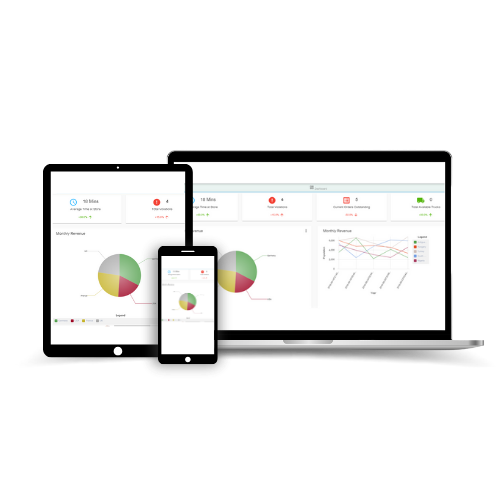
Fleet maintenance software has an essential role in upscaling and modernizing the management of vehicle fleets. It bridges the gap in data management with its seamless integration capabilities that connect and streamline various fleet management systems and processes. Let’s delve into how fleet maintenance software creates a unified data ecosystem that fleet businesses and fleet managers can use to enhance overall operational performance.
Vehicle Telematics Integration:
Often, fleet maintenance software integrates with vehicle telematics systems, to provide real-time information regarding driver behavior, vehicle health, and usage patterns. Integration with telematics provides fleet managers with immediate updates regarding the status of each vehicle and enables proactive maintenance which decreases the risk of unexpected breakdowns/events.
Maintenance and Repair Records:
Repair and maintenance systems are integrated, ensuring all records pertaining to routine vehicle maintenance, repairs, and inspections are centralized. By containing all maintenance data in one system, it is easy for fleet managers to monitor each vehicle’s history, plan preventative maintenance, and study trends to increase fleet performance overall.
Inventory Management Integration:
Integration with inventory management systems is essential for fleet operators managing their own parts inventory, it helps track spare part availability and makes sure the right parts are obtainable when needed. If a vehicle requires maintenance, the software automatically checks inventory levels, generates purchase orders, and updates stock levels when parts are consumed.
Fuel Management Integration:
Fleet maintenance software integrates fuel management systems to provide real-time monitoring of fuel usage and expenses. The software collects fuel consumption data and analyzes it to identify vehicles with poor fuel economy or uncommon fuel usage patterns, which helps optimize fuel expenses and efficiency.
Work Order Systems Integration:
Numerous fleets manage the execution of maintenance tasks using work-order systems. Integration with these systems creates a seamless stream of information. When a maintenance issue arises, fleet maintenance software will automatically create work orders, assign tasks to technicians, and track and update the maintenance status in real-time.
Compliance and Regulatory Integration:
The software integrates with compliance and regulatory databases to ensure that fleets remain compliant with industry regulations and standards. It tracks vehicle inspection dates, driver certifications, and other compliance-associated information, decreasing the fines or penalties risk.
Unified Reporting and Analytics:
Integration expedites the consolidation of data from various sources, providing comprehensive reporting and analytics. Fleet managers are able to generate customized reports to gain insights on key performance indicators, which enables them to make data-driven decisions to upscale efficiency and minimize expenses.
Communication and Collaboration Tools Integration:
Integration with communication tools allows fleet managers, drivers, and maintenance teams to collaborate and communicate seamlessly. Automatically generated notifications, alerts, and updates, ensure that the relevant departments are informed quickly regarding maintenance issues/upcoming tasks.
In conclusion, the integration capabilities of fleet maintenance software establish a linked ecosystem in which data streams seamlessly between the different systems. It centralizes and optimizes the collection, analysis and usage of fleet-related data to assist fleet managers in making informed decisions to better manage their fleets, enhance efficiency, and increase overall productivity.
© 2022 All Rights Reserved.