The Unseen Heroes - Understanding the Backstage Impact of Fleet Maintenance Software.

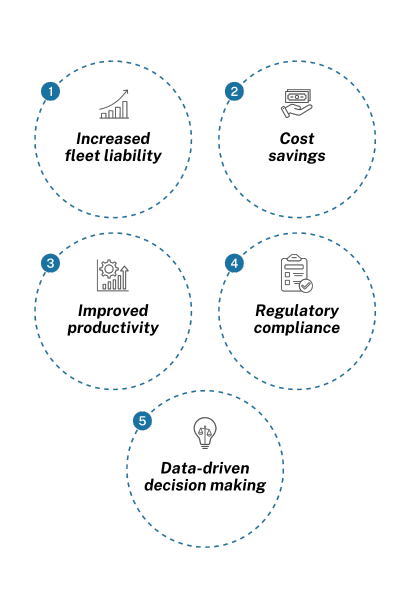
Fleet maintenance software is a fundamental tool for businesses relying on a fleet of vehicles to perform their operations. While the primary purpose of the software is to streamline the management process of vehicle maintenance and repairs, the software has a substantial behind-the-scenes impact on other aspects of fleet management. This article will shed light on the frequently overlooked backstage impact of fleet maintenance software, concentrating on record-keeping, administrative tasks, and overall operational flow.
Efficient Administrative Tasks:
Fleet maintenance software streamlines administrative tasks in numerous ways:
Work Orders and Scheduling: The software automates the production of work orders, making it simpler for fleet managers to schedule maintenance and repairs, saving time and ensuring routine maintenance tasks are not overlooked.
Parts and Inventory Management: It assists with managing parts and inventory by automatically updating stock levels, reordering parts when required, and creating reports on usage and costs.
Vendor and Supplier Management: The software includes vendor and supplier management features, allowing fleet managers to monitor interactions, expenses, and performance which enhances negotiation and cost control.
Cost Analysis: Fleet maintenance software provides in-depth cost analysis tools, enabling better decision-making based on historical data, empowering fleet managers to allocate resources more efficiently and optimize spending.
Robust Record-Keeping:
Effective record-keeping is key for fleet maintenance and compliance. Fleet maintenance software offers a centralized repository for all maintenance records, including:
Service History: The complete service history for each fleet vehicle is stored, this helps identify recurring issues and establish proactive maintenance plans.
Regulatory Compliance : The software ensures essential records for regulatory compliance are kept and easily accessible. This is necessary for meeting legal requirements and passing inspections.
Warranty Tracking: The software tracks warranties and guarantees, allowing fleet managers to benefit from these when applicable.
Fuel and Cost Records: It records fuel consumption and related costs, assisting in expense control and monitoring environmental impact.
Operational Flow Optimization:
Fleet maintenance software impacts the overall operational flow in several ways:
Downtime Reduction: Vehicle downtime due to unexpected breakdowns is minimized by automating maintenance scheduling and allowing for preventive measures.
Vehicle Utilization: The software offers fleet managers insights into vehicle operation and performance, which aids in making data-driven decisions regarding the size and composition of their fleet.
Route Optimization: Fleet maintenance software integrates with GPS and route optimization tools, enabling efficient route planning and fuel savings.
Safety and Compliance: Regular maintenance and efficient record-keeping guarantee that vehicles are safe and compliant with regulations, reducing the risk of accidents and fines.
In conclusion, fleet maintenance software plays a vital role in the efficient operation of fleets, and its behind-the-scenes impact must not be overlooked. It streamlines administrative tasks, maintains up-to-date records efficiently, and optimizes operational flow. This ultimately contributes to cost savings, safety, and overall operational efficiency. Fleet managers can harness the value and power of this software to enhance their operations and remain competitive in the ever-evolving landscape of fleet management.
© 2022 All Rights Reserved.